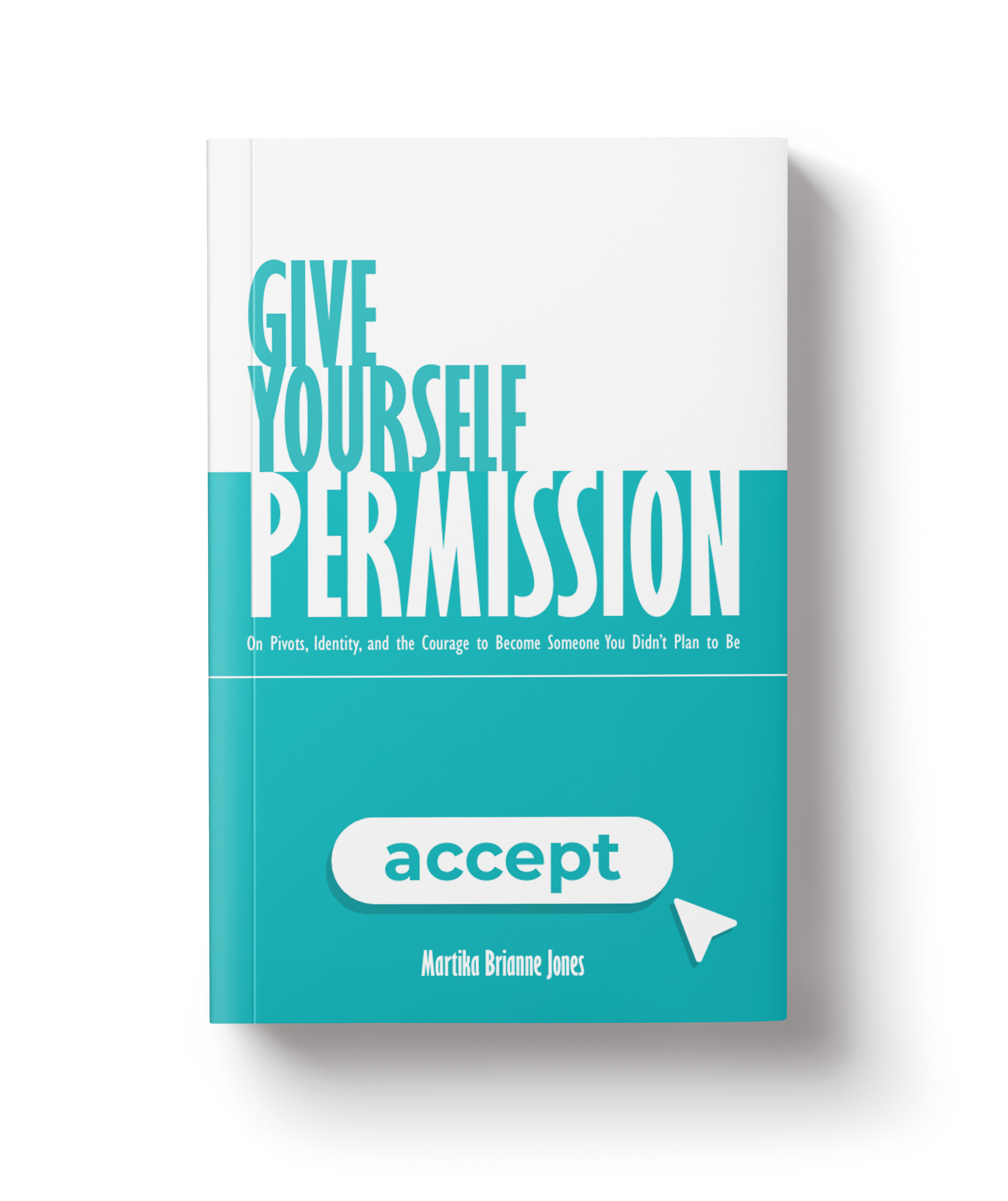
Give Yourself Permission
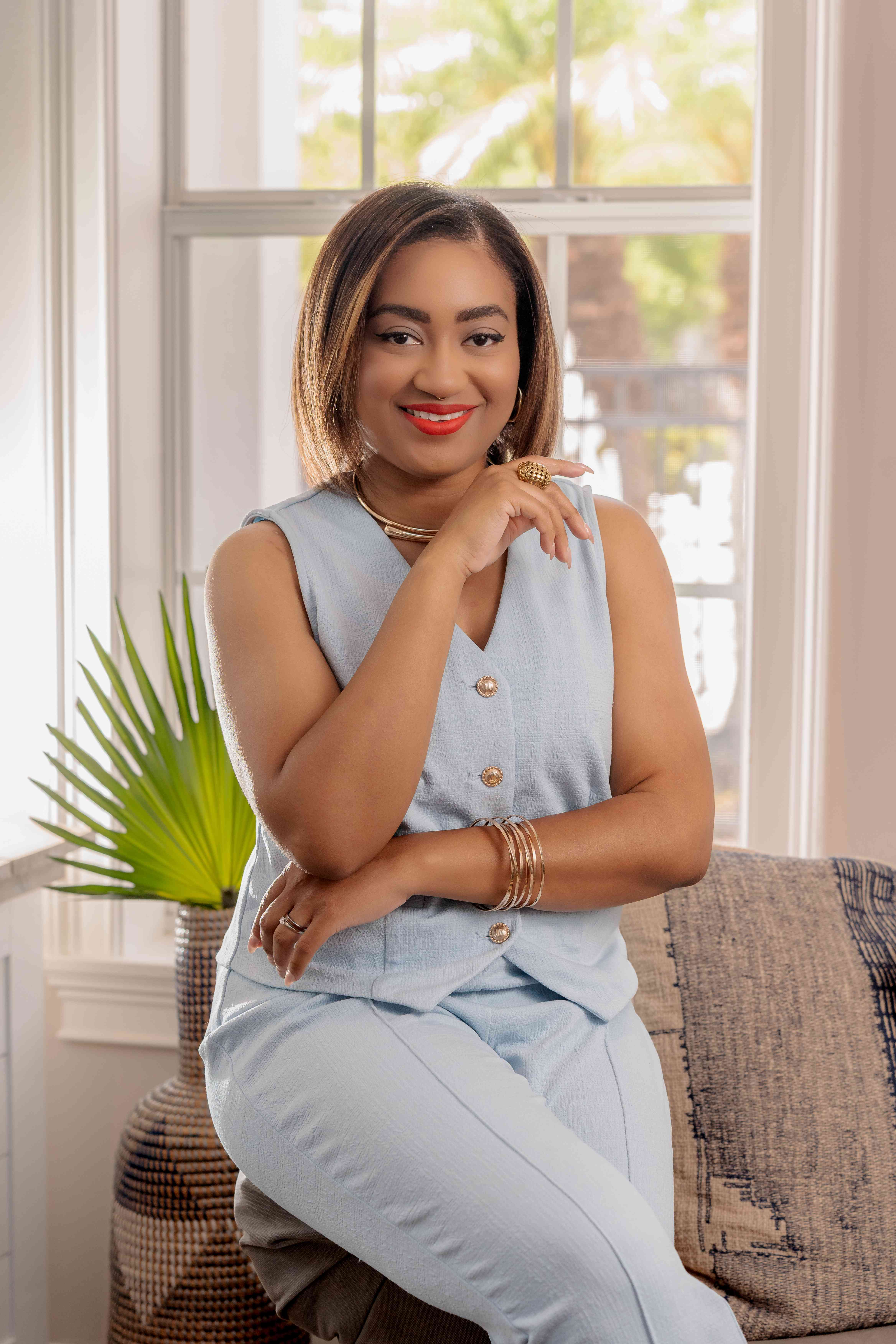
Martika Brianne Jones
I was twenty-six years old, sitting in a coffee shop in Tampa, Florida, about to make a phone call that would end everything I'd spent two years building.
Outside the window, the sun was doing what it always does in Tampa: shining like nothing is wrong. People were ordering lattes. Someone was laughing at a table by the door. The world was continuing, completely indifferent to the fact that I was about to blow mine up.
I had interns counting on me. Five of them, students who had signed up to learn from a real startup, who showed up every week believing we were building something that mattered. I had press coverage in the pipeline. I had customers. I had a brand that looked, from the outside, like it was working.
And I was about to pull the plug.
The phone felt heavy. Not physically, but in the way things feel heavy when you know a single action is about to split your life into before and after. I'd rehearsed what I would say. I'd run the numbers. I'd talked to my husband George until three in the morning, going in circles about whether this was courage or cowardice, strategy or surrender.
Everyone in my life had told me the same thing: push through. That's what founders do. You don't give up. You pivot, you iterate, you find a way. The startup world has a thousand mantras for this moment, and every single one of them says the same thing: keep going.
But none of those mantras accounted for a co-founder who had locked me out of our own platform. None of them accounted for the growing distance between what the company looked like from the outside and what it felt like from the inside. None of them accounted for the simple, painful truth that I had been steering a sinking ship for months and calling it leadership.
I made the call. I dissolved the company.
And then something happened that I did not expect.
Within two weeks, I won a pitch competition. The prize money funded a trademark filing for a new company. I assembled a scrappy team of people who didn't have impressive resumes but had something better: they were willing to get the work done. That company was BŪP Technologies. And it exists today because I gave myself permission to walk away from the thing that came before it.
• • •
This book isn't really about that phone call. It's about everything that made it possible.
It's about a waterslide accident that ended my first dream at eleven years old. It's about thirteen years as a classical trombonist, performing in orchestras across New Jersey and New York, often as the only Black woman in the room. It's about a mentor in the New York Philharmonic who asked me a question I wasn't ready to hear. It's about an apartment in Biloxi, Mississippi, across from the beach, where paradise on the outside looked nothing like survival mode on the inside.
It's about a husband who let me hit send on his resignation letter because he trusted me more than his own fear. It's about a best friend who left because we didn't make it fast enough. It's about rebuilding a company in a few focused weekends that had taken years and tens of thousands of dollars the first time around.
And it's about the one thing that made all of those moments possible: permission.
Not permission from a boss or a board or a mentor, though sometimes it started there. The deeper kind. The kind you give yourself. Permission to want something different. Permission to walk away. Permission to be broke and still believe. Permission to outgrow people you love. Permission to become someone you didn't plan to be.
The hardest boundaries to break aren't the ones other people set for you. They're the ones you build around who you think you're supposed to be. I know this because I've broken several of them now, and every single time, the person on the other side was someone I didn't recognize. Someone freer. Someone closer to the truth.
This is the story of how I got here. And if you're holding this book, I suspect you already know what it feels like to need permission you haven't given yourself yet.
So let me start by giving it to you.